
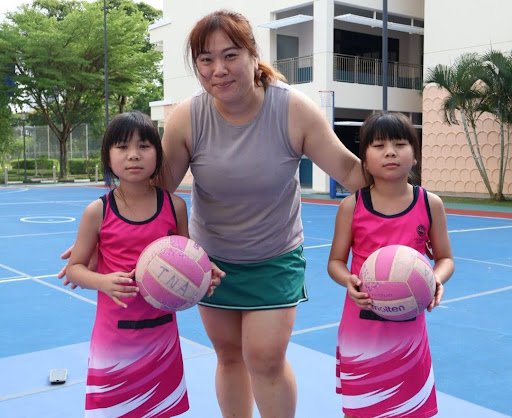
Yes, netball for kids with no experience is exactly what most beginner classes in The Netball Academy are designed around. Most netball classes here are built for complete beginners aged 5 to 12, with coaches trained to teach positioning, ball handling and basic footwork from scratch. Netball for kids with no experience usually starts with simple drills, not match play, so there’s no catching up to do.
Classes group children by age, in their age group, by ability, so a first-timer trains alongside peers who are also new to the sport or are raw players, not against children who’ve already played for years. This guide covers what to expect, what it costs, and how to choose a programme that genuinely suits a beginner.
Key Takeaways
- No prior experience is needed, beginner netball classes in The Netball Academy are designed for children who have never touched a netball before.
- Most weekend netball programmes group children by age (roughly 6–9 and 10–12 years), then skill level, so beginners train alongside others at a similar stage.
- A trial session is the easiest way to test the waters before committing to a full term.
- Expect terms to run for around 10 weeks, with weekly sessions on Saturday or Sunday mornings at neighbourhood courts and indoor halls.
- Basic gear costs little, most academies only ask for sports shoes and comfortable clothing to start; some charge a one-off admin fee for a starter kit.
Does My Child Need Netball Experience Before Joining?
No. Beginner netball classes in Singapore are built specifically for first-timers. Coaches assume zero background knowledge and start with the fundamentals: how to catch, how to pivot, how to pass without stepping. Nobody expects a 7-year-old to know the rules of a seven-a-side court game before their first session.
Netball is also a relatively easy sport to pick up compared with something like football or basketball, because there’s less running and dribbling to master at once. This lines up with broader recommendations that children get at least 60 minutes of moderate-to-vigorous activity a day, since low-barrier sports make it easier for kids to hit that target without feeling overwhelmed early on. Children learn positional play early, where to stand, when to move, how to support a teammate, which suits kids who are new to team sport structure altogether.
If you’re weighing up netball against other options, our comparison of beginner-friendly sports for kids walks through how netball stacks up against football, swimming and basketball for children starting from zero.
What “Beginner-Friendly” Actually Means in Practice
A genuinely beginner-friendly class does three things well. It keeps groups small enough for a coach to correct technique one-on-one. It uses games and drills rather than lecture-style instruction. And it doesn’t rush children into competitive matches before they’re ready.
At most Singapore academies, beginner sessions for kids with no experience focus on:
- Catching and throwing with both hands
- Footwork rules (landing on one foot, pivoting without dragging)
- Simple positional awareness (goal third, centre third, defence third)
- Basic team games that build confidence before formal matches
Key insight: A child who has never played any sport can usually keep up in a beginner netball class within two to three sessions, because coaches deliberately slow the pace for new players.
Our kids netball classes are structured around exactly this progression, so parents can see week by week what their child is expected to learn.
What Happens in a Typical Beginner Netball Class
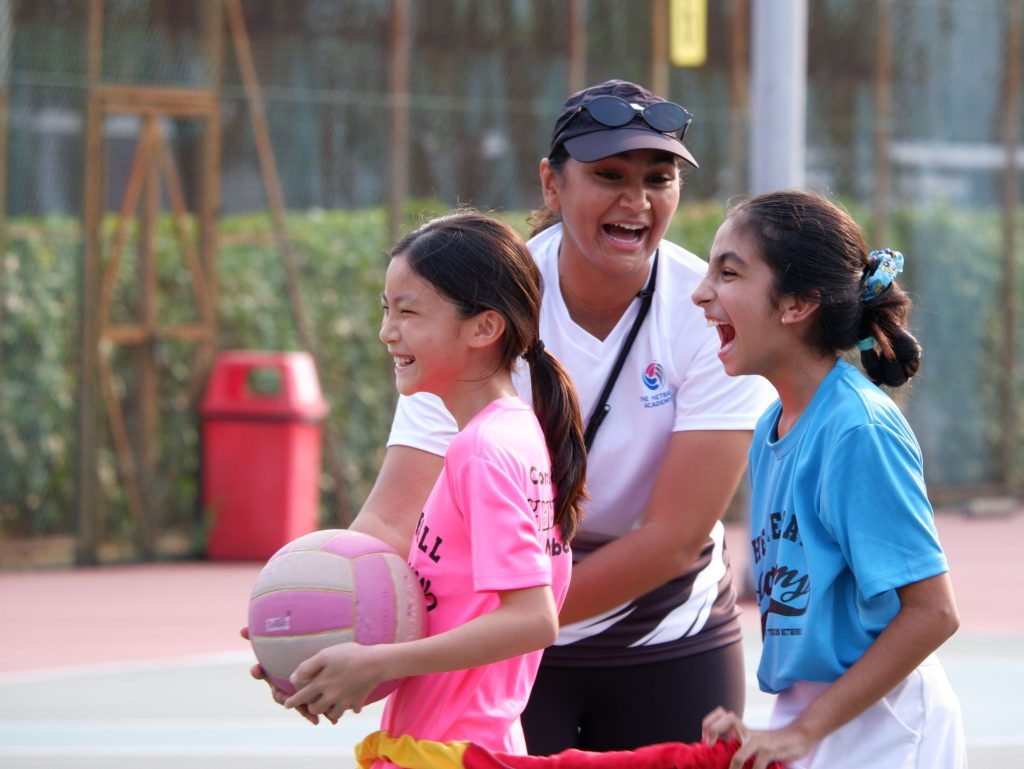
Sessions for young beginners tend to run for about an hour to two hours, depending on the age group and provider. Younger children (roughly 6–9 years) usually get shorter, more game-based sessions. Older beginners (10–12 years) may train for closer to two hours, with more structured drills.
A typical first term for kids netball classes in Singapore looks something like this:
| Stage of term | What’s covered | Typical duration | What parents notice |
| Weeks 1–2 | Ball familiarisation, catching, basic footwork | 2 sessions | Child gets comfortable holding and passing the ball |
| Weeks 3–5 | Positions, simple rules, non-contact drills | 3 sessions | Coach starts naming positions; child learns “thirds” |
| Weeks 6–8 | Small-sided games, introductory match rules | 3 sessions | First mini-games; more confidence on court |
| Weeks 9–10 | Full team play, term wrap-up or friendly match | 2 sessions | Child plays a short match with peers |
Most terms run for around 10 weeks, which lines up with the school term calendar. This gives beginners enough repetition to build muscle memory without the pressure of a long-term commitment before you know if your child enjoys it. This kind of gradual, repetition-based progression also mirrors how motor skills are best learned in childhood, where short, frequent practice sessions tend to build coordination more reliably than occasional long ones.
If your family only has the school holidays free, our school holiday netball camps compress a similar beginner progression into a shorter, intensive format.
Where These Classes Run in Singapore
Weekend netball training tends to happen at neighbourhood sports halls, school indoor courts, and outdoor netball centres. Common venue types include:
- Indoor sport halls at primary schools, often used for younger age groups (6–9 years)
- Outdoor netball centres, such as those found at larger sports hubs, typically used for slightly older groups (7–12 years)
- Community or club courts, sometimes shared with other weekend youth sport programmes
Sessions are usually scheduled on Saturday mornings, Saturday afternoons, or Sunday mornings, which suits families juggling school activities during the week. If you’re searching for netball for kids with no experience near your estate, check which zone the class runs in first, East, Central, or West, since travel time on a Saturday morning matters more than it seems.
How to Choose a Beginner Netball Programme
Not every programme suits every child, so it helps to compare a few before signing up for a term.
| Factor | What to check | Why it matters for beginners | Good sign |
| Age grouping | Is your child grouped by age appropriately? | Beginners may feel inferior in a class with experienced and advanced players, fearing mistakes. | Clear age bands (e.g. 6–9, 10–12 years) |
| Coach-to-player ratio | How many kids per coach? | Smaller groups mean more individual attention | Coaches actively demonstrate, not just instruct |
| Trial availability | Can you try before committing? | Lets you gauge and learn academy culture without paying for a full term | A free or low-cost trial session offered |
| Term structure | How long is a term, and can newcomers join mid-term? | Some programmes allow late entry; others don’t | Clear term dates with newcomer flexibility |
| Venue and timing | Indoor or outdoor? Which day and time slot? | Affects comfort (heat, rain) and your weekend routine | Matches your zone and schedule |
Ask providers directly whether experience is required before signing up. Most reputable programmes will say plainly that none is needed, and some even ask this exact question on their registration form, which tells you it’s a common concern among parents.
Key insight: Look for programmes that let newcomers join partway through a term. It’s a practical sign the coaching structure is flexible enough to absorb beginners without disrupting the group.
Questions Worth Asking Before You Commit
Before paying term fees, it’s worth confirming a few practical details with the academy or club:
- Is there a trial session, and is it free or paid?
- What’s included in any starter or registration fee, shoes, socks, training kit?
- What happens if my child misses a session, is there a make-up class?
- Are parents allowed to sit in and watch training?
- How are children grouped, by age, school year, or ability?
These aren’t awkward questions. Any well-run programme will have clear answers ready, because other parents ask the same things every term. Our trial session booking page answers most of these upfront, including what’s covered in the trial itself.
What to Bring and What It Costs
You don’t need specialist netball gear to start. Most beginner classes ask for:
- Comfortable sports attire (T-shirt and shorts or leggings)
- Proper sports shoes with good grip (court or trainer shoes, not sandals)
- A water bottle
- Sunscreen and a cap for outdoor sessions
Good footwear matters more than parents often expect, since wearing shoes designed for the right kind of movement helps reduce the risk of common activity-related injuries, particularly for a sport built around quick stops, pivots and changes of direction. Some academies charge a one-off registration or administration fee for new players, which often covers a starter kit – think a training top, journal, socks or a drawstring bag. Term fees themselves vary by provider and number of sessions per term, so it’s worth comparing a few options directly with the venues near you rather than assuming one flat rate applies across Singapore.
DIY Practice at Home vs Structured Classes
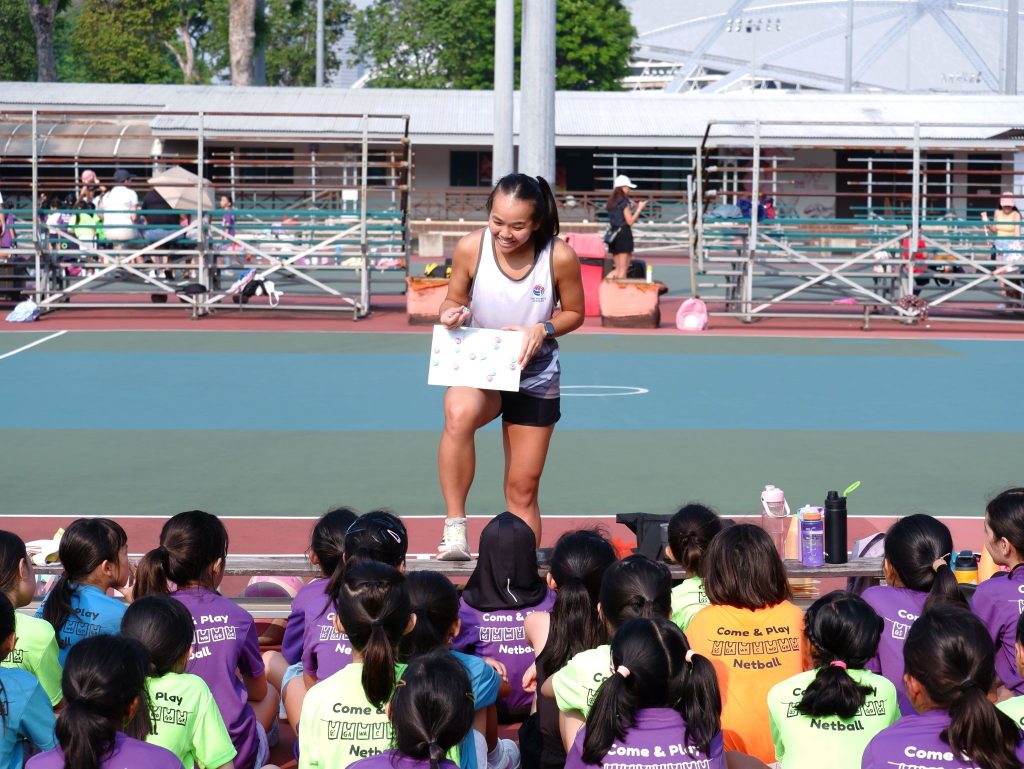
You can absolutely help your child get a head start at home. Simple catch-and-throw games in the garden or void deck, footwork practice on a marked-out “court” using chalk, or watching short match clips together all build familiarity before the first session. Encouraging this kind of unstructured active play at home also fits with wider guidance that free play and informal movement are just as valuable as organised sport for building the coordination young children need before formal training even starts.
That said, home practice can’t replace structured coaching for things like footwork rules, obstruction calls and positional play as many think that these require a coach who can correct technique in real time and explain rules that only make sense in a game context. Think of home practice as a warm-up to structured netball classes, not a substitute for them. For simple drills you can run before your child’s first session, see our beginner netball drills parents can practise at home.
Frequently Asked Questions
No. Beginner coaches teach rules gradually, starting with the basics like footwork and obstruction. Most children pick up the core rules within the first few sessions through games rather than explanation alone.
Many programmes accept children from around 6 years old, with some starting even earlier through introductory play-based sessions. Age groups are typically split into bands such as 6 – 7, 8 – 9 and 10–12 years, so your child trains with similar-aged peers.
Netball is generally considered a lower-contact sport compared with football or rugby, since players can’t hold the ball while moving or contact opposing players. That said, any physical activity carries some risk of minor injury, so proper warm-ups and supervised coaching matter, in line with general guidance that structured warm-ups help lower the chance of sport-related injury in children.
Most children start feeling comfortable with basic catching, passing and footwork within two to three weeks of weekly training. Confidence in actual match play, including reading positions and team movement, usually builds over a full term of around 10 weeks along with quality coaching that comes with positive affirmations.
Most academies allow parents to sit in, subject to space at the venue. Some sessions may ask parents to step back briefly so children can focus, particularly during evaluation drills or small matches.
Book a Trial and See How Your Child Takes to It
The easiest way to find out if netball for kids with no experience suits your child is to book a trial session rather than deciding from the sidelines. The Netball Academy Singapore runs beginner-friendly netball training, kids netball classes, and school holiday netball camps across Singapore, with coaches who are used to working with children who’ve never held a netball ball before. Reach out to check age groups, venue zones and available slots for the next term, and get your child on court this weekend!