
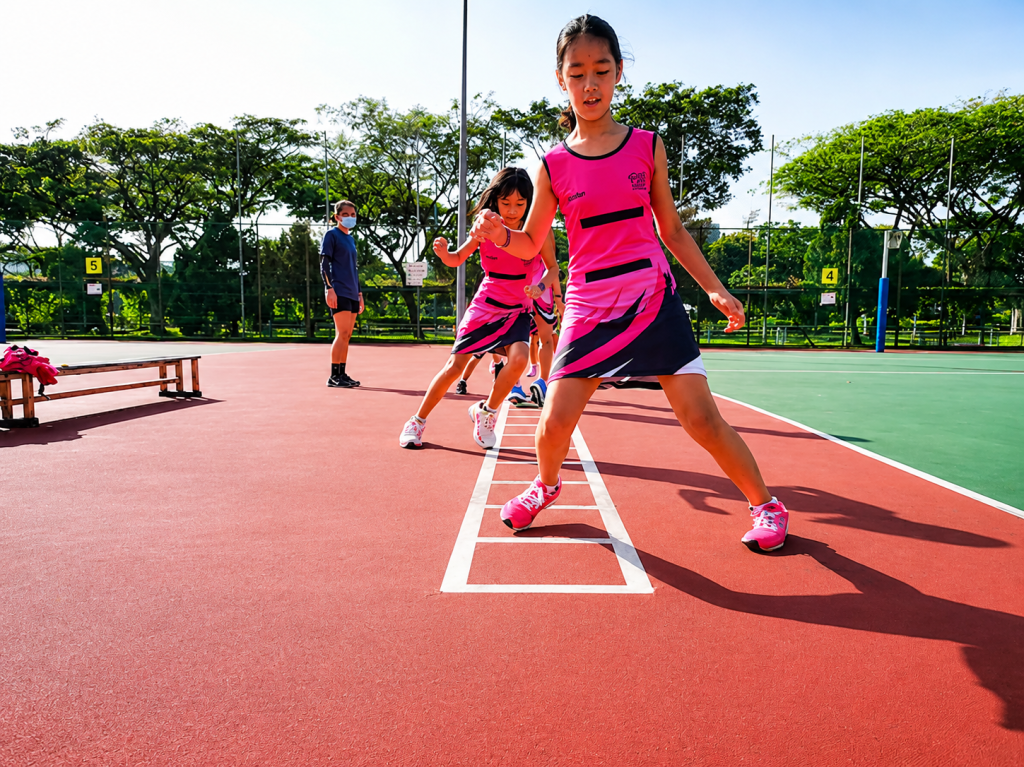
Your daughter loves netball. She’s passionate, dedicated, and improving weekly. Yet parents worry: can she manage competitive netball training whilst maintaining strong academic results? Yes, but only with deliberate planning. Student athlete balance in Singapore is achievable when families understand the three competing demands: academics, school CCA commitments, and competitive netball training. Without structure, pressure compounds.
Young athletes face declining grades, passion loss, and exhaustion, sabotaging both performance areas. This guide reveals how student athletes in Singapore can thrive academically and athletically without sacrificing either. The Netball Academy has coached hundreds through this challenge. The solution isn’t harder work. It’s a smarter organisation.
Key Takeaways
- Create a realistic weekly schedule that prioritises both academics and your netball training schedule without overlap or burnout.
- Use time-blocking to prevent balancing studies and sports overwhelm during term time.
- Recognise early warning signs of youth athlete burnout before intensity becomes unsustainable.
- Build mandatory recovery days into your training week as a non-negotiable commitment.
- Communicate clear boundaries with coaches, teachers, and family about your availability.
- Adjust training intensity during exam seasons rather than abandoning sport altogether.
Understanding the Three Competing Demands
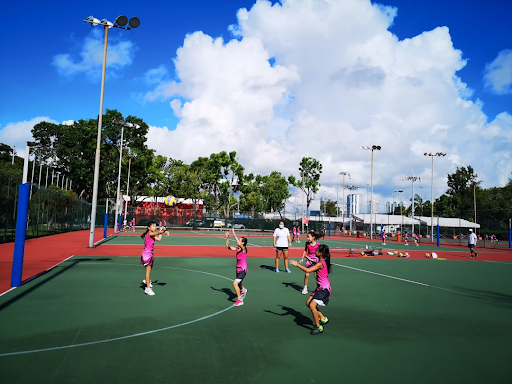
1. The Reality of Being a Student Athlete: Balancing Studies and Sports in Singapore
Singapore’s young people face unique pressure. Academic achievement is culturally paramount, yet many families also want their children to develop athletic excellence and well-rounded skills. For serious netball players, balancing studies and sports creates genuine tension. School streams, GCE O-Levels, A-Levels, and university entrance all hinge on grades. Yet netball development requires consistency: typically three to five training sessions weekly, plus match commitments.
The question parents ask constantly is straightforward. Can sports and academics in Singapore truly coexist without compromising either? The evidence is clear: yes, they can. Success requires honest acknowledgement of the three competing demands and strategic planning around each.
Academic Pressure and School Expectations
Singaporean schools maintain rigorous academic standards. Streaming systems mean that early performance matters significantly. Parents understandably prioritise grades. However, the assumption that student-athlete balance in Singapore is impossible is entirely false. It simply requires deliberate time management.
Exam seasons create predictable peaks. During these months, competitive netball training clashes directly with study demands. The solution isn’t to quit netball. It’s to adjust the intensity temporarily. Many student athletes reduce frequency or lower training load eight weeks before major exams, then resume normal intensity afterwards.
CCA Commitments and Time Drain
Most students attending secondary schools serve on mandatory CCA teams. If your daughter also plays competitive netball outside school, she faces double commitments. School CCA might demand two sessions weekly, plus matches. Competitive netball adds another three sessions. That equals five total sessions, plus travel time, recovery, schoolwork, and sleep.
This scenario creates what experienced coaches call “double-training syndrome.” Your young athlete trains intensely twice daily on some days, recovering inadequately between sessions. The cumulative fatigue contributes to youth athlete burnout faster than single-commitment players experience.
Competitive Netball Demands
A typical netball training schedule for serious youth students includes:
- Two technical and skills sessions (90 minutes each)
- One fitness and conditioning session (60 minutes)
- One tactical game-play session (90 minutes)
- Match or tournament play on weekends
This isn’t excessive by competitive sport standards. Yet layered atop school, CCA, and academic work, it becomes overwhelming without deliberate planning. Young athletes managing all three elements must approach their schedules like professional athletes approach theirs: strategically and with non-negotiable rest periods.
2. Recognising Youth Athlete Burnout Before It’s Too Late
Youth athlete burnout isn’t simply tiredness. It’s a specific state of physical, emotional, and motivational exhaustion. Parents and coaches should watch for these signals:
- Declining academic performance despite genuine effort. Marks drop not because the student doesn’t care, but because mental energy is depleted.
- Loss of passion for netball. The student who once begged for extra training now makes excuses to skip sessions. This is the clearest burnout signal.
- Persistent physical exhaustion. The athlete sleeps long hours yet never feels rested. Muscle soreness lingers. Minor illnesses recur frequently.
- Emotional withdrawal and irritability. Mood becomes fragile. The young person snaps at family, coaches, and peers over small frustrations.
- Sleep disruption and appetite changes. Stress hormones elevate cortisol, disrupting sleep patterns and hunger cues.
If your child displays three or more of these signs simultaneously, training intensity requires immediate adjustment. This isn’t a weakness. It’s wisdom.
Why It Happens: The Research Behind Balancing Studies and Sports
Sports science research consistently identifies overtraining without adequate recovery as the primary burnout driver. Research monitoring young elite student-athletes combining full-time study with rigorous training shows that stress, illness rates, and hormonal disruptions peak significantly during academic examination periods and high-workload preseason phases (Hamlin et al., 2019).
Yet overtraining alone doesn’t cause burnout. The combination of perfectionist culture (common in competitive sport and Singaporean academics), insufficient sleep, poor nutrition timing, and lack of clear boundaries between training contexts creates the perfect storm.
Student athletes managing sports and academics in Singapore who train at school CCA, then immediately attend competitive club sessions, rarely switch mental contexts. Their nervous systems never genuinely recover. Adding exam stress compounds the effect exponentially.
The solution isn’t training less overall. It’s training smarter with genuine recovery periods and season-appropriate intensity.
3. Building a Realistic Weekly Netball Training Schedule Students Can Sustain
The Time-Blocking Framework
Here’s how successful student-athlete balance in Singapore actually works in practice:
- Monday: School (6 hours), CCA netball (1.5 hours), study block (1.5 hours), recovery evening.
- Tuesday: School, competitive netball session—technical focus (1.5 hours), study block (2 hours).
- Wednesday: School, CCA netball (1.5 hours), lighter study, early sleep for recovery.
- Thursday: School, competitive netball—tactical and game play (1.5 hours), study block (1.5 hours).
- Friday: School, optional light skills session OR CCA only, social evening.
- Saturday: Match or tournament play (2–3 hours) OR Mastery Clinic session if preparing for school trials.
- Sunday: Complete rest day with no training and active recovery only (walking, stretching, light swimming).
This structure delivers:
- Five training sessions across the school and competitive commitments
- Three focused study blocks (4.5 hours cumulative)
- One complete rest day (non-negotiable)
- Adequate sleep (8 hours minimum)
- Balanced demands across the week
The key principle: never stack intense sessions. If Tuesday includes competitive netball, Wednesday’s CCA becomes lighter. This prevents nervous system overload.
Exam Season Strategy for Student Athletes
Six to eight weeks before major examinations, adjust the framework:
- Reduce competitive netball frequency to two sessions (instead of three).
- Maintain CCA attendance (schools require it) but request lighter intensity.
- Extend study blocks to 2.5 hours on weekdays.
- Keep the rest day sacred.
- Reduce weekend commitments: pause tournament participation if possible.
This adjustment maintains fitness and netball progression without sacrificing academic performance. Young athletes return to full intensity after exams, having lost minimal conditioning.
Why School Holiday Clinics Change Everything
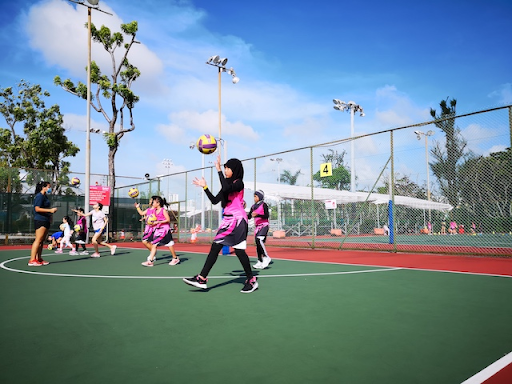
The Netball Academy’s school holiday clinics and Mastery Clinic represent a strategic alternative to year-round competitive training. Rather than spreading the netball training schedule across every single week, intensive one-week or two-week clinic blocks during school holidays compress training volume.
A student attending five sessions weekly across 40 school weeks equals 200 annual sessions. Concentrated into four holiday periods, that same volume becomes 50 sessions per holiday week. This intensity is manageable because it’s temporary, allowing term-time focus on academics and lighter CCA commitment.
Many students preparing for school trials find Mastery Clinic sessions more effective than year-round club training. The focused preparation prevents the chronic fatigue that dispersed training creates.
Five Proven Strategies for Student Athletes Managing Academics and Competitive Netball

Strategy 1: The 80/20 Study Rule
Don’t aim for perfection in every subject. Focus 80 percent of study effort on core subjects directly affecting university entrance (Mathematics, English, Sciences). Allocate 20 percent to breadth subjects. This frees mental energy without sacrificing outcomes. Many high-performing student athletes balancing academics and netball use this rule, achieving strong overall grades whilst protecting time for sports.
Strategy 2: Communicate Clear Boundaries
Have explicit conversations with coaches about non-negotiable study times. Suggest training never extends past 8 PM on school nights. Align expectations with parents. Clarify that competitive netball is valued, but academics come first during exam periods.
Coaches appreciate clarity. When they understand your student athlete’s commitments, they adjust programming willingly. The Netball Academy coaches specifically understand Singaporean school calendars and exam cycles.
Strategy 3: Prioritise Sleep and Recovery as Performance Tools
Sleep isn’t a luxury. It’s performance. Research shows that sleep deprivation reduces academic performance by up to 20 percent and athletic performance by similar margins. Worse, insufficient sleep prevents genuine recovery from training, accelerating youth athlete burnout.
A realistic sleep target for student athletes is 8–9 hours nightly. This requires discipline: no late-night social media, no gaming after training, and earlier bedtimes on training days.
Recovery also means nutrition timing. Eating protein and carbohydrates within two hours of training accelerates muscle repair. This small change dramatically reduces persistent soreness that adds to fatigue perception.
Strategy 4: Track Energy Weekly, Not Just Time
Spreadsheets track time; reality tracks energy. Every Sunday evening, ask your student to rate their energy level from 1 to 10. If the number dips below 5 for two consecutive weeks, training intensity requires reduction.
This approach respects individual variation. Some athletes recover quickly; others need more time. Energy tracking reveals your child’s actual capacity rather than forcing them into an arbitrary schedule. It’s particularly valuable for balancing studies and sports sustainably.
Strategy 5: Use Holiday Clinics as Strategic Intensity Peaks
Rather than training at 100 percent intensity year-round, use school holiday periods as “season peaks.” During holidays, increase frequency and intensity. During term time, reduce to maintenance mode: lighter sessions, slower progression.
This periodisation model, borrowed from professional sport science, prevents chronic overtraining whilst allowing impressive progression on the netball training schedule for students juggling multiple demands.
Why Structured Coaching Reduces Burnout Risk

1. Coaches Who Understand Student Athletes
The Netball Academy coaches aren’t just skilled netball teachers. They understand Singapore’s academic calendar intimately. They recognise exam seasons, streaming pressures, and the unique challenges young athletes face here.
This means they adjust expectations seasonally. During exam periods, intensity drops voluntarily. After exams, progression resumes. Young athletes feel supported rather than pressured. This approach directly supports student-athlete balance in Singapore as a realistic, achievable goal.
2. Age-Appropriate, Non-Linear Progression
Not every young player progresses the same way. Some develop technique quickly; others build strength gradually. Effective coaching matches progression to individual development timelines, preventing the frustration that accelerates burnout.
Beginner-friendly programmes with trial sessions mean new players don’t feel left behind. They catch up at their own pace, experiencing early wins that build confidence and motivation whilst managing sports and academics in Singapore simultaneously.
3. Community Over Elite Pressure
The strongest protection against youth athlete burnout is genuine community. When teammates understand each other’s balance challenges, when coaches celebrate school successes alongside netball achievements, and when training feels supportive rather than ruthlessly competitive, the risk of burnout plummets.
Student-athletes at The Netball Academy frequently note that the supportive environment, combined with structured yet realistic training, makes balancing studies and sports feel genuinely possible rather than a constant struggle.
Frequently Asked Questions
How many hours weekly should a student athlete train?
Six to ten hours for serious competitive players is appropriate. Beyond 15 hours weekly, whilst managing a full academic load, consistently leads to youth athlete burnout. Here’s the distinction: elite professional athletes train 20+ hours weekly because sport is their full-time job. Student athletes juggling exams, assignments, projects, and CCA cannot sustain that volume. A realistic target is three to four sessions weekly (six to nine hours), with optional additional sessions during holidays or periods of lighter academic load. This sustainable netball training schedule prevents burnout whilst building genuine progress.
My child shows burnout signs — what now?
Reduce training volume immediately. Skip one weekly session temporarily. Keep one complete rest day. Extend recovery emphasis. Observe energy levels weekly. If signs persist beyond two weeks despite volume reduction, consider a brief complete break (7–10 days). Most importantly, listen without judgment. A child expressing burnout needs reassurance that their worth isn’t measured by perfect grades and perfect athletic performance simultaneously. Supporting balancing studies and sports means recognising that some seasons demand more academic focus.
Can my child realistically make a school netball team whilst maintaining strong academics?
Absolutely yes, with structured planning. Many Netball Academy students have successfully earned school team positions whilst maintaining excellent grades. The key is focused preparation rather than year-round high intensity. Mastery Clinic sessions specifically target school trial preparation, delivering concentrated skill and fitness development in shorter timeframes. This approach proves more effective than vague year-round training for trial success and supports genuine student-athlete balance in Singapore during the trial period.
Your Student Athlete’s Path Forward
Explore our Classes page, investigate our Mastery Clinic for focused school trial preparation, and discover how our School Holiday Clinics compress training volume into intensive, focused periods that protect term-time study.
We partner with families who understand that children thrive when all elements of their lives receive genuine attention.